Centralized Fluid Management:
Drive Value for Your Frac Job
Centralized Fluid Management (CFM) is a system-level operational and logistical advantage — the foundation for digital frac optimization. Fewer deliveries, smaller footprint, greater consistency, and predictable costs across the entire pad.
Why CFM
Centrally Managed Program
Holistic approach to managing all chemicals for the best result and best value
Improved Consistency
Automated metering eliminates manual pour error stage to stage
Predictable Chemical Costs
Bulk dry pricing and precise dosing reduce per-stage variability
See how CFM works
on a frac pad
Click any highlighted zone on the pad to learn more about each component. This is a representative layout — actual pad configurations vary by operator and frac design.
Standard CFM Pad Layout
Click any numbered hotspot to learn more about each component
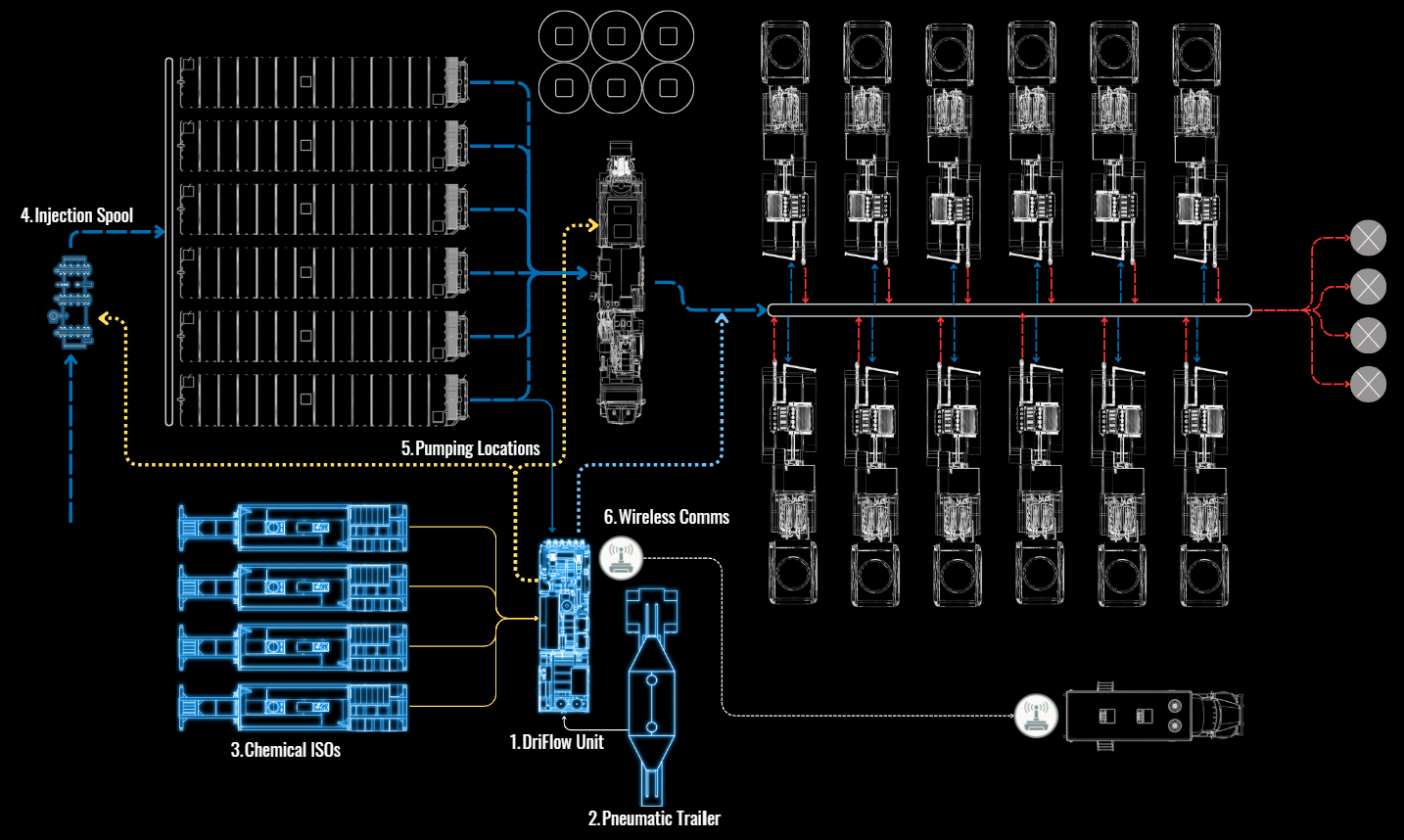
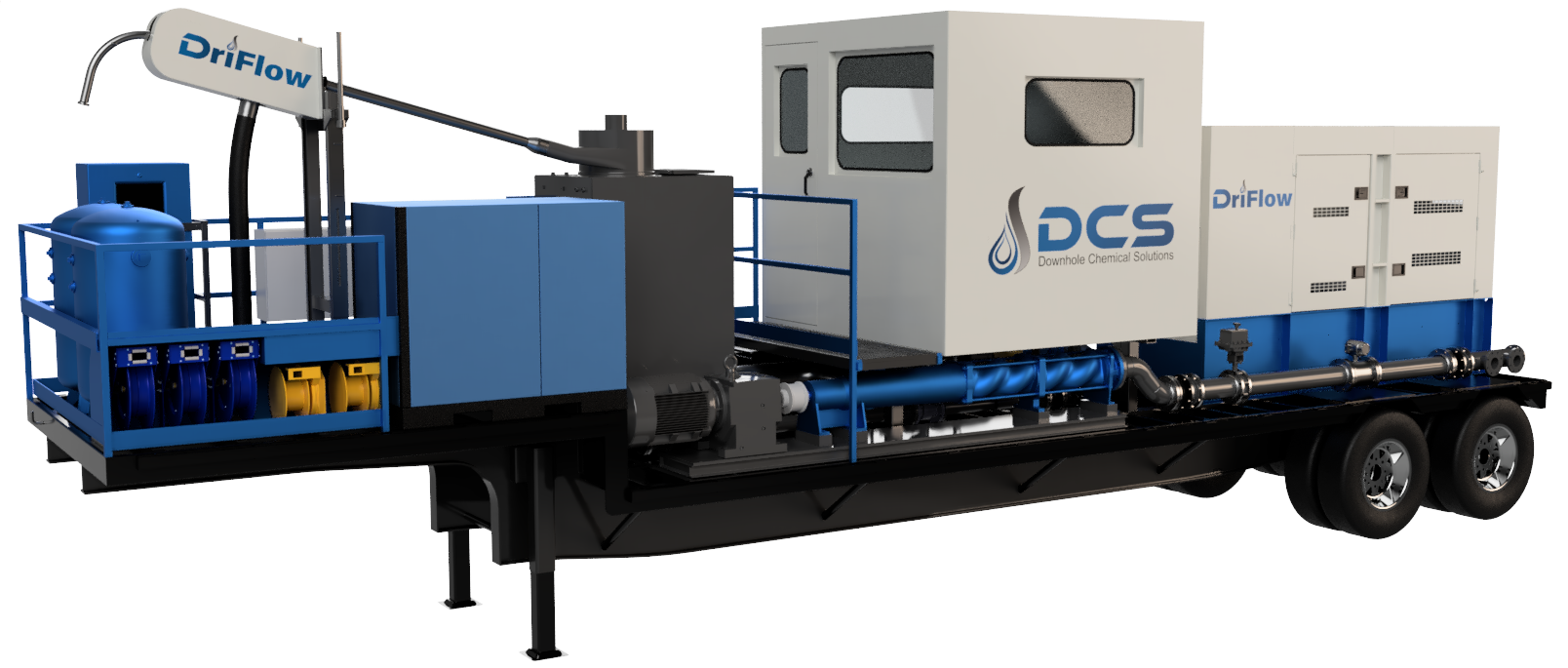 The manned DriFlow unit (2.X or 3.X) serves as the central command for the CFM system. The operator controls chemical delivery rates and monitors all ancillary chemical pumping across the pad.
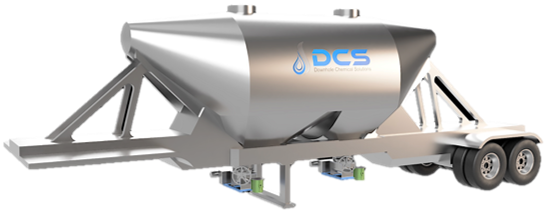 Storage and transport asset for dry product. Dispenses directly to the DriFlow unit on demand, ensuring precise FR and gel loadings as the job requires.
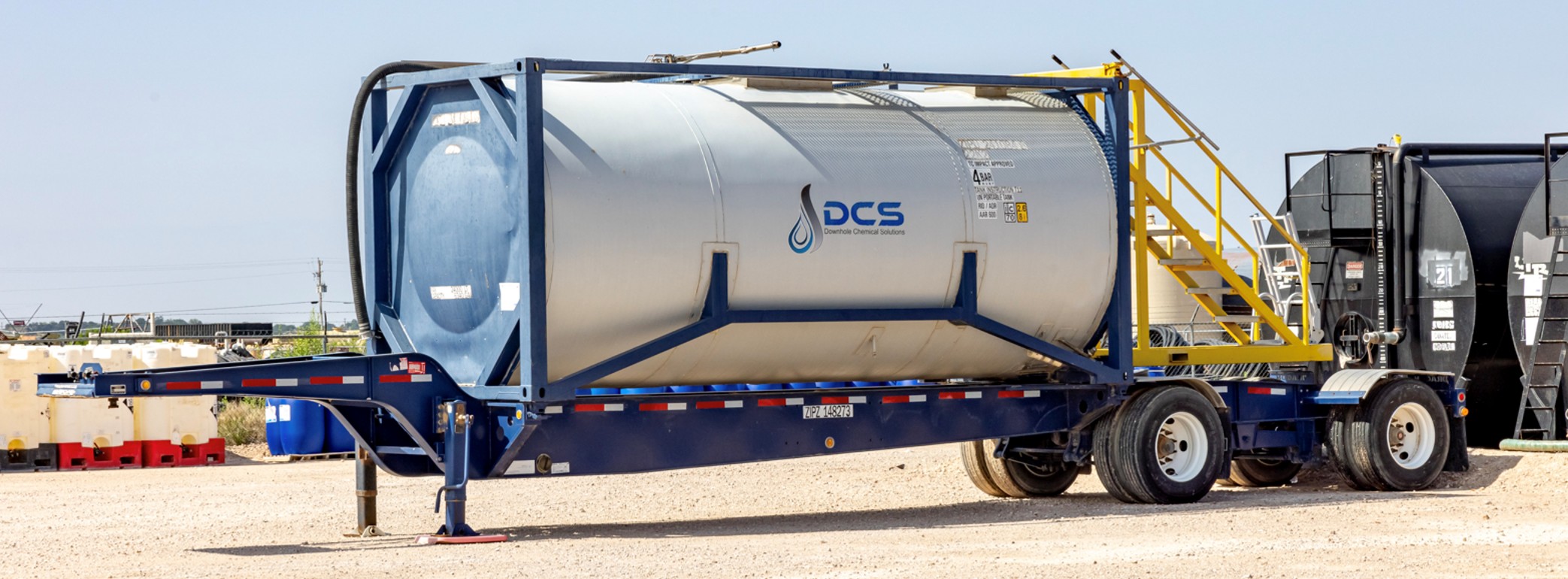 ~6,000 gallon storage and transport assets for liquid chemicals on location. Each ISO is equipped with real-time volumetric telemetry for on-location and remote inventory monitoring.
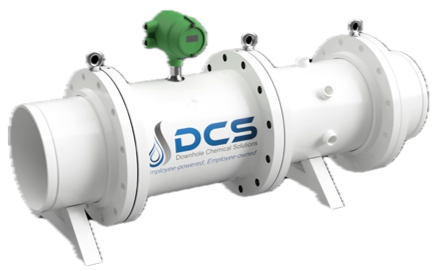
- Treats the water transfer line upstream of working tanks — independent of frac rate
- Accepts up to 6 independent chemical injection quills
- 12" standard water transfer connections
- Dedicated flow meter for independent rate measurement
- Slaved to a DriFlow unit or Chem-Add Skid for automated management
Four reasons CFM
changes the job
CFM isn't just about the DriFlow unit — it's a complete rethinking of how chemical delivery integrates with the frac operation. These are the major operational advantages.
Reduced Pad Footprint
Bulk dry chemical storage in a single pneumatic trailer replaces rows of liquid totes. Less equipment on location means more room for pumping equipment, fewer hazards, and simpler logistics.
Fewer Last-Mile Deliveries
One bulk pneumatic delivery replaces dozens of tote deliveries per job. This directly reduces truck traffic to the pad, lowers lease road wear, and simplifies the logistics chain — especially in remote or tight-access locations.
Improved Consistency
Automated feeder metering and real-time rate control eliminate manual pour error. Every stage receives the same precise dosage — regardless of shift, crew, or environmental conditions — with full ROC visibility throughout.
Predictable Chemical Costs
Bulk dry FR pricing, combined with precision metering that eliminates overdosing, creates a reliable cost model per-stage. No tote waste, no rounding up, no surprise overages. CFM makes chemical spend predictable and auditable.
CFM as the
digital foundation of modern frac
Centralized Fluid Management isn't just a logistical advantage — it's the prerequisite for true digital frac optimization. When chemical delivery is precise, automated, and connected, the data becomes actionable.
Real-Time Telemetry
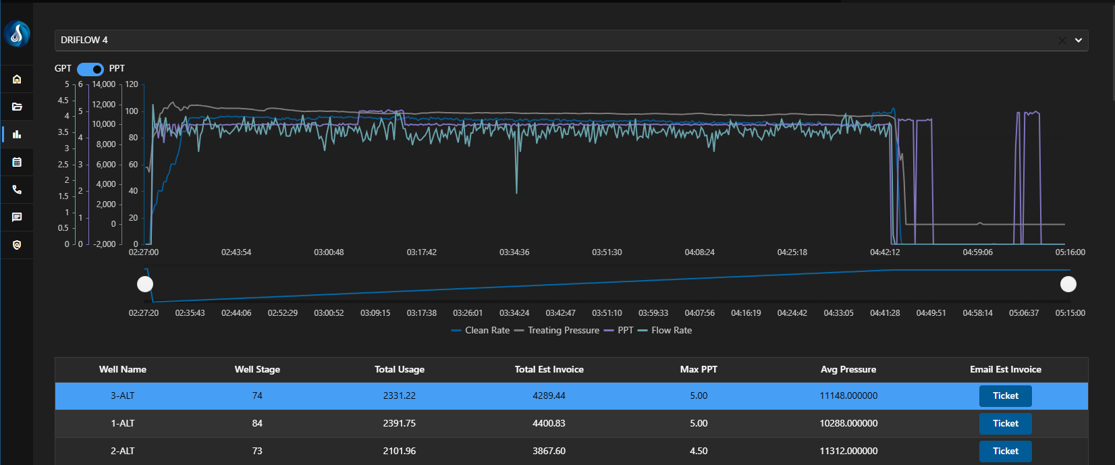
Every DriFlow unit streams live PPT, GPT, flow rate, and system status to the ROC and DCS360 platform. Stage data is captured and stored automatically.
Friction Reduction Measurement
When paired with differential pressure sensors, CFM enables direct FR% measurement — moving from dosage assumption to performance confirmation.
Closed-Loop Optimization
ROC technicians and DCS360 data provide the feedback loop to continuously improve FR selection, dosage strategy, and operational efficiency job over job.
DCS360 Customer Dashboard
Operators get live and historical job data in DCS360 — stage-level chemical usage, performance trends, and cost analytics in one dashboard.